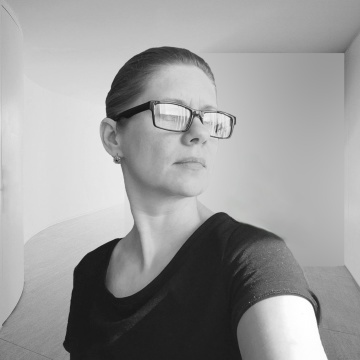
1942. The village of Alexandrovka, the district center of the Rostov region, is captured by German troops. Over the six months of occupation, mass executions of civilians take place here. Among the dead are Jewish refugees who had been evacuated from the western republics of the USSR a year earlier. In the memory of local residents, the image of a young woman named Bella remains. She is remembered by Nina Yakovlevna Pavlenko, whose account formed the basis of the project.
«BELLA IS HER NAME»


From a video interview with Nina Yakovlevna Pavlenko. Recorded by Tatyana Statsenko
– Grandma, do you remember how you told us about the Jews being shot?
– When we were working, they sent Jews here. They were refugees. Well, some of them were nice, some were hardworking, and some… You see, we were children, we didn't understand – this was told to us by those who worked with them. They didn't understand. They'd tell him to harness the plow, but he didn't know how – couldn't harness an ox, couldn't harness horses. He took the ploughshares, which were supposed to be dry, but he greased them with oil.
There was one woman there, very beautiful, about twenty-two, twenty-five years old, maybe. And she was pregnant. Bella is her name.
They were spread across the brigades – there were many of them in all three brigades. And then – in the morning... I don't remember why we spent the night at home. Shura, my older sister, was there, and I was. Our mother came and said: "Get up, get up, listen to how they're shooting the Jews."
There was a cattle burial pit there. In '33, I think, they killed sick horses there and threw them into that pit. The pit wasn't covered with anything. It was big – about four or five meters across, like that, and very deep.
Mother says: "Listen, listen." It was very quiet, and then all of a sudden it started – a machine gun: ta-ta-ta-ta-ta-ta-ta-ta-ta-ta!
There was no screaming, but there were groans – they were groaning. And it was still very dark, it only started to get light around three in the morning. And we listened. It wasn't screaming – it was groaning. And it wasn't that far away – about a kilometer, maybe, no, less, less – that burial pit was closer. You could hear it.
And then in the morning we went to work, we arrived – and there wasn't a single Jew left. And that Bella was gone too. We all felt so sorry for her – she was about to give birth any day. Poor Bella – she's gone too.
And we cried, the adults cried. …Not a single Jew – we came to each brigade – and it was empty.
– Grandma, do you remember how you told us about the Jews being shot?
– When we were working, they sent Jews here. They were refugees. Well, some of them were nice, some were hardworking, and some… You see, we were children, we didn't understand – this was told to us by those who worked with them. They didn't understand. They'd tell him to harness the plow, but he didn't know how – couldn't harness an ox, couldn't harness horses. He took the ploughshares, which were supposed to be dry, but he greased them with oil.
There was one woman there, very beautiful, about twenty-two, twenty-five years old, maybe. And she was pregnant. Bella is her name.
They were spread across the brigades – there were many of them in all three brigades. And then – in the morning... I don't remember why we spent the night at home. Shura, my older sister, was there, and I was. Our mother came and said: "Get up, get up, listen to how they're shooting the Jews."
There was a cattle burial pit there. In '33, I think, they killed sick horses there and threw them into that pit. The pit wasn't covered with anything. It was big – about four or five meters across, like that, and very deep.
Mother says: "Listen, listen." It was very quiet, and then all of a sudden it started – a machine gun: ta-ta-ta-ta-ta-ta-ta-ta-ta-ta!
There was no screaming, but there were groans – they were groaning. And it was still very dark, it only started to get light around three in the morning. And we listened. It wasn't screaming – it was groaning. And it wasn't that far away – about a kilometer, maybe, no, less, less – that burial pit was closer. You could hear it.
And then in the morning we went to work, we arrived – and there wasn't a single Jew left. And that Bella was gone too. We all felt so sorry for her – she was about to give birth any day. Poor Bella – she's gone too.
And we cried, the adults cried. …Not a single Jew – we came to each brigade – and it was empty.
This series of photographs addresses the space of post-memory—memory inherited through fragments of recollections and a handful of documentary traces.
There is no reconstruction of events here. Only a documentation of how tragedy emerges through the landscape. The focus is on the earth—the last witness. It receives everyone and returns no one. It offers no consolation. It simply exists. Just as the void after loss exists. Just as memory exists—which cannot resurrect, but can speak a name.
I made this project so that Bella's story would have a visible trace left behind. So that her name would not vanish along with the last witness to those tragic events. I cannot bring her back, but I can preserve the memory of her. Perhaps that will matter to someone.
There is no reconstruction of events here. Only a documentation of how tragedy emerges through the landscape. The focus is on the earth—the last witness. It receives everyone and returns no one. It offers no consolation. It simply exists. Just as the void after loss exists. Just as memory exists—which cannot resurrect, but can speak a name.
I made this project so that Bella's story would have a visible trace left behind. So that her name would not vanish along with the last witness to those tragic events. I cannot bring her back, but I can preserve the memory of her. Perhaps that will matter to someone.